Your HVAC system plays a major role in keeping your home comfortable throughout the year, but heating and cooling can also account for a significant portion of household energy use. When the system is not operating efficiently, homeowners may notice higher utility bills, uneven temperatures, longer run times, and unnecessary wear on important components.
Fortunately, there are several ways to improve HVAC efficiency without sacrificing comfort. Some involve simple maintenance, while others may require professional service or even a new air conditioning installation. Taking a proactive approach can help your system perform better while potentially reducing energy consumption.
Replace Your Air Filter Regularly
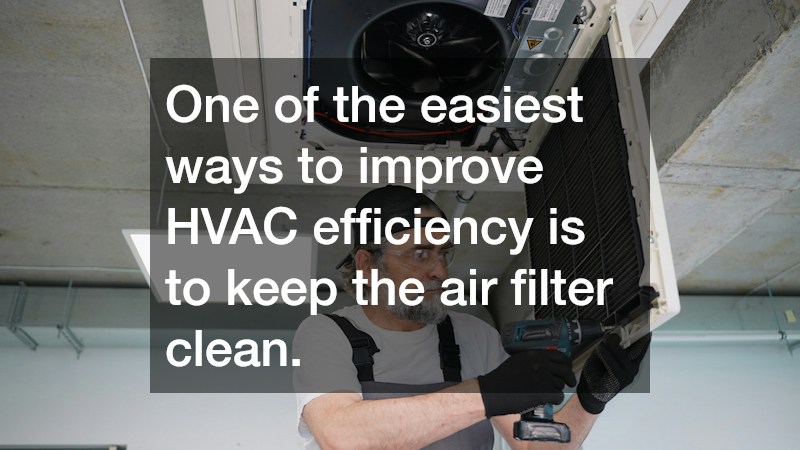
One of the easiest ways to improve HVAC efficiency is to keep the air filter clean. Filters capture dust, pet hair, pollen, and other particles before they circulate through the system.
As a filter becomes clogged, airflow becomes restricted. The HVAC system may then need to work harder to move air throughout the home, which can increase energy use and strain components.
Homeowners should check their filters regularly and replace or clean them according to the manufacturer’s recommendations. Homes with pets, smokers, or high levels of dust may need more frequent filter changes.
Keep Vents and Registers Clear
Furniture, rugs, curtains, and other household items can accidentally block supply or return vents. Restricted airflow can make it more difficult for your HVAC system to maintain comfortable temperatures.
Walk through each room and make sure vents are open and unobstructed. Avoid placing large pieces of furniture directly in front of return vents, as these are essential for moving air back into the HVAC system.
Proper airflow can help your equipment operate more efficiently and distribute conditioned air more evenly throughout the home.
Use Your Thermostat Strategically
Thermostat settings have a direct impact on energy consumption. Setting the temperature significantly colder or warmer than necessary can cause the HVAC system to operate for extended periods.
A programmable or smart thermostat can make temperature management easier by automatically adjusting settings based on your schedule. For example, you may be able to reduce heating or cooling while the home is empty and restore comfortable conditions before you return.
Before scheduling a new air conditioning installation, homeowners may want to ask whether their current thermostat is compatible with modern energy-saving features.
Schedule Routine HVAC Maintenance
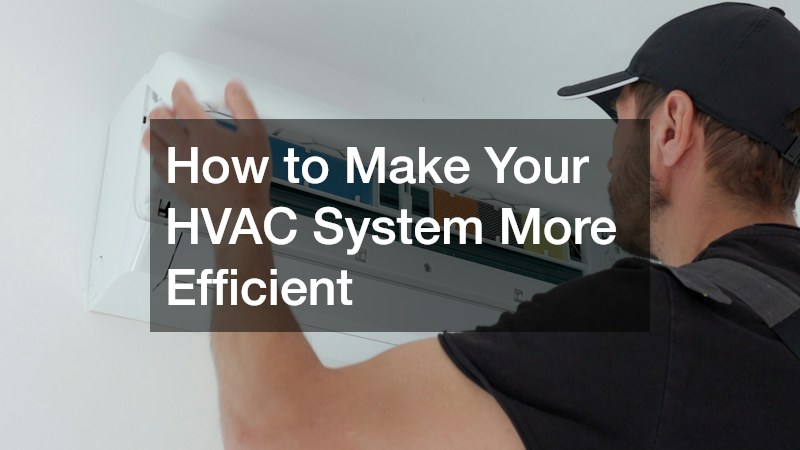
Preventive maintenance can help HVAC equipment operate at its best. During a professional maintenance visit, a technician may inspect electrical components, clean important parts, check airflow, evaluate refrigerant levels, and identify signs of wear.
Small problems can reduce system efficiency long before they cause a complete breakdown. Addressing those issues early may help improve performance and prevent more expensive repairs later.
Regular maintenance can also help homeowners better understand the overall condition of their HVAC equipment and how much useful life may remain.
Keep the Outdoor Unit Clean
The outdoor condenser unit needs sufficient airflow to release heat effectively. Unfortunately, leaves, grass clippings, dirt, weeds, and other debris can collect around the equipment.
Homeowners should keep the surrounding area clear and avoid allowing plants or landscaping to grow too close to the unit.
Do not cover the condenser with objects or store items against it. When airflow is restricted, the air conditioner may need to work harder to cool the home.
Seal Air Leaks Around the Home
Even an efficient HVAC system can waste energy if conditioned air is constantly escaping.
Gaps around windows, doors, attic access points, and other openings can allow cool air to leave during summer and warm air to escape during winter. At the same time, outdoor air can enter the home and make maintaining the desired temperature more difficult.
Weatherstripping, caulk, and other sealing methods can help reduce unwanted air leakage. Improving insulation may also help the home maintain a stable indoor temperature.
These improvements can reduce the workload placed on the HVAC system.
Have Your Ductwork Inspected
Ductwork carries heated and cooled air throughout your home. If ducts are leaking, damaged, disconnected, or poorly insulated, some of that conditioned air may never reach the intended rooms.
Signs of possible ductwork problems include uneven temperatures, unusually weak airflow, excessive dust, and increasing utility bills.
A professional can inspect accessible ductwork and determine whether repairs or sealing could improve efficiency. Efficient air distribution is especially important after a new air conditioning installation, because even high-performance equipment can struggle when connected to poorly functioning ducts.
Use Ceiling Fans to Support Your HVAC System
Ceiling fans do not actually lower room temperature, but they can make occupants feel more comfortable by circulating air.
During warmer months, using ceiling fans may allow homeowners to set the thermostat slightly higher without sacrificing comfort. During cooler months, reversing the direction of some ceiling fans can help circulate warm air that collects near the ceiling.
Fans should generally be turned off when no one is in the room because they cool people rather than the space itself.
Reduce Heat Entering Your Home
Limiting unwanted heat gain can help your air conditioning system work more efficiently.
During hot, sunny days, close curtains or blinds on windows receiving direct sunlight. Energy-efficient window coverings may further reduce heat entering the home.
You can also avoid using heat-producing appliances unnecessarily during the hottest parts of the day. Cooking, running certain electronics, and using some household appliances can add heat indoors and increase the amount of work required from your cooling system.
Know When Replacement Makes Sense
Maintenance can improve performance, but older HVAC equipment eventually reaches a point where repairs and efficiency improvements have limited benefits.
An aging system may run for long periods, require frequent repairs, struggle to maintain comfortable temperatures, or consume significantly more energy than newer equipment.
In these situations, a professional can help homeowners determine whether another repair makes sense or whether an air conditioning installation would provide better long-term value. Modern systems may offer improved energy efficiency, more consistent comfort, and newer temperature-control features.
Improve Efficiency Through Consistent Care
HVAC efficiency depends on more than just the equipment itself. Clean filters, proper airflow, sealed ductwork, smart thermostat settings, routine maintenance, and improved insulation can all contribute to better performance.
Homeowners who consistently maintain their systems can reduce unnecessary strain and potentially avoid preventable breakdowns. When the equipment becomes too old or inefficient to meet the home’s needs, professional air conditioning installation may provide an opportunity to upgrade to a system designed for better comfort and energy performance.
By combining regular maintenance with smart home habits, you can help your HVAC system operate more efficiently throughout every season.